

Dear Reader,
Welcome to Purée Mag! We are interested in the expanse of culture, across art, lit, fashion, music, and tech. We believe that our experience of art & culture is situated beyond institutional spaces for artistic production and exchange, in the informal networks of exchange and alongside the burgeoning beat.
The first issue features a blend of writing across categories, and visual art, to give you a taste of the mag. We also have a Screening Room for films and video work. Instead of short and sweet, will keep this note a bit sticky++
I was on a flight a couple of nights ago, and overheard a fairly long conversation in parts. I was also in and out of sleep, so I could not give you a definitive timeline of events, but the exchange was between three millennials in their 30s. They were three strangers as far as I could tell, from my seat ahead of theirs.
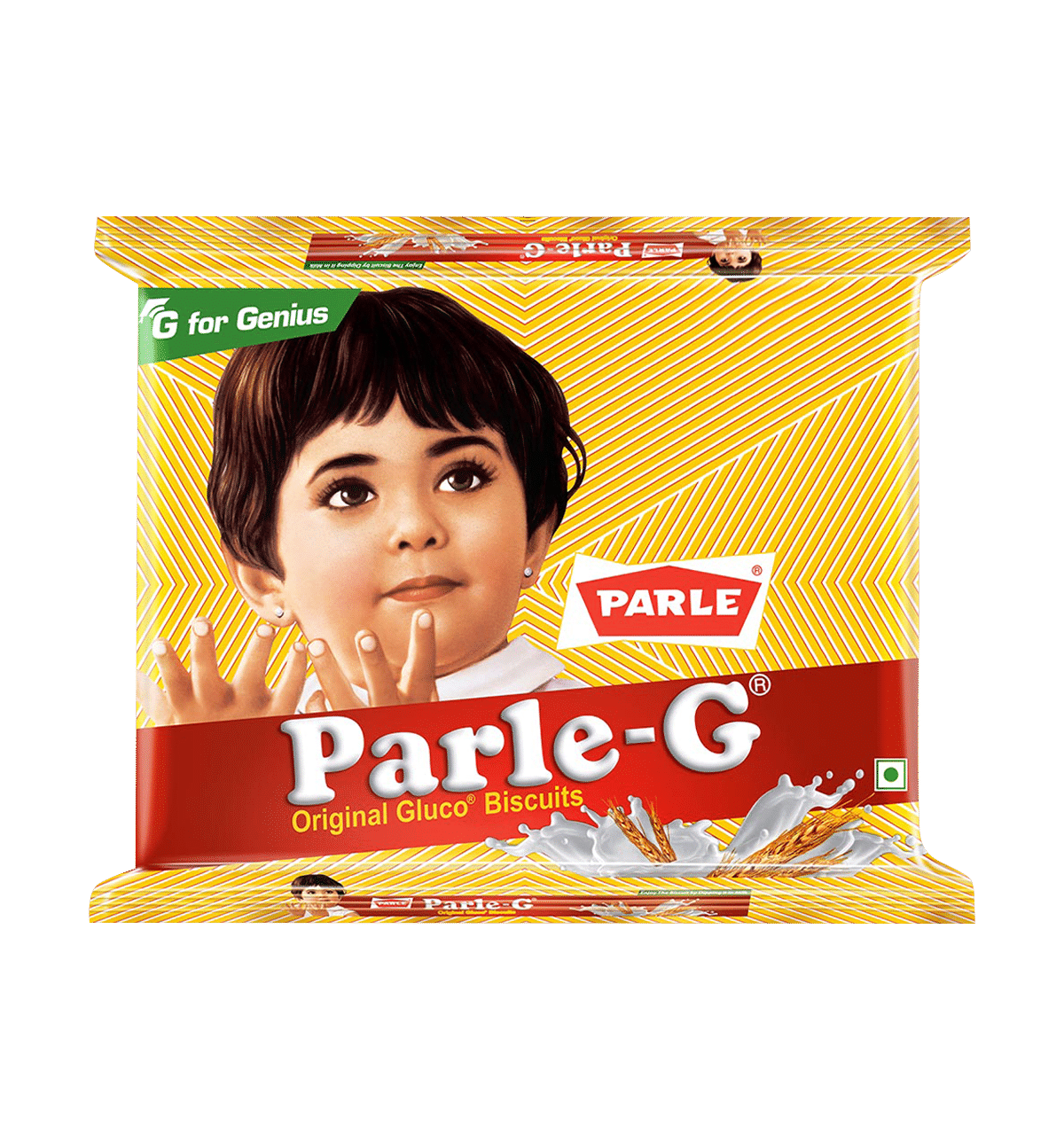
They spoke in detail, animatedly reminiscing about their childhoods and teenage years, having grown up in the 90s and early 2000s. I noticed that they spoke through common referents of FMCG (Fast Moving Consumer Goods) advertisements. They were nostalgic for products that came with the time, recognisable via advertisement jingles (think Maggi, Parle-G, Nirma, and so on—yes, I’m sure the tune/tagline is familiar).
These ads gestured towards products that we knew and understood. Instant noodles, biscuits, washing liquid, shampoo, soap—these were all memorable ads that we still recall till date, as kids and adults of that time. The fact that we still recall them is very much testament to the golden age of Indian advertising.
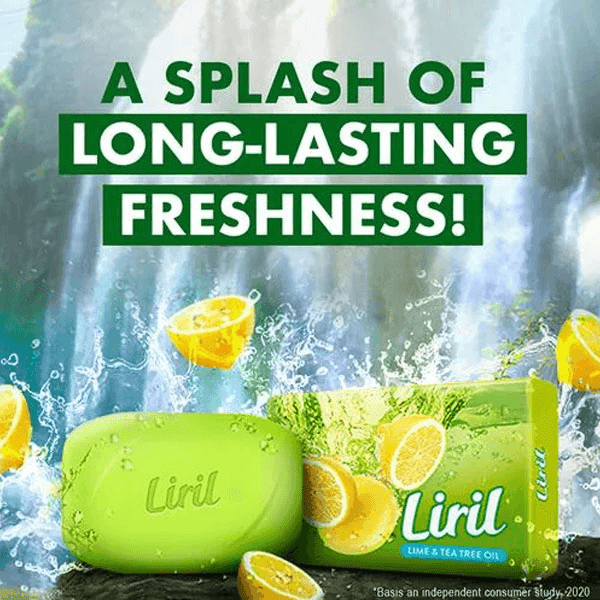
The easy recognisability and assured nature of the products was perhaps a sense of security in a newly liberalised market, where technology had started gearing up to breakneck speed. These products and their ads become a time machine and cultural touch point for the cusp of liberalisation (RIP Maggi, post-Korean instant noodle imports).
FMCG used to be a stable category referring to everyday products sold in high volumes and with little profit margin on individual items and low shelf life, prior to the explosion of products and the encroachment of quick commerce. Besides Bollywood, FMCG products have tied together a loose national capture. Distribution is key—think ITC and Hindustan Unilever and their far reaching arms.
As Mark Fisher would have it, nostalgia is telling of a stalled future, one that was imagined but never realised, due to a vampiric all-encompassing capitalism, in this case signified by quick commerce and precarious labour conditions in gig work.
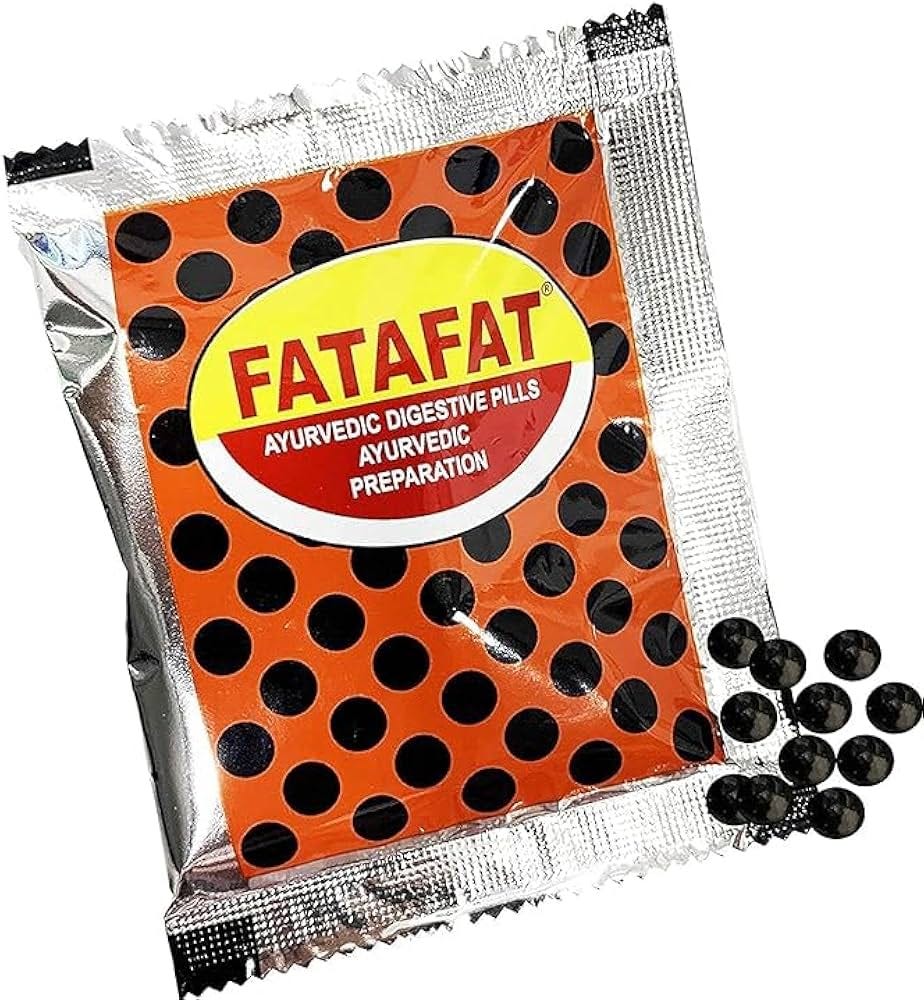
Culture sometimes intersects too comfortably with consumption. Purée Mag aims to create space for critical conversations around culture and its industry, serving a blend of arts and culture across the spectrum. The first piece will be published tomorrow, i.e. 17th November.
Signing off,
Sukanya Deb
Editor, Purée Mag
Visit: www.pureemag.com
looking forward to more updates!