
An Ode to Twitter Replies
Low Brow: A Column by Pranavesh Subramanian


In 1992, the French anthropologist Marc Auge coined with the term ‘non-places’. Auge was referring to spaces — airports, shopping malls, hospitals — that increasingly adopted a homogenous aesthetic. Take shopping malls, for instance. The cool, detached interiors: beige, grey, white; marbled floor, the layout: food courts on the top floor, designer brands, watch stores, perfume shops on the ground floor; the same range of brands: H&M, Zara, Uniqlo, Starbucks. If I were to be blindfolded, kidnapped, and left within the confines of a shopping mall in India, I could be anywhere: Bangalore, Kochi, Delhi, Mumbai. They all look and feel the same. For Auge, a key feature of a non-place is this indistinguishable similarity achieved by replacing eccentricities, charms (what one might deem as character) in favour of making them look ‘modern’ and clinically efficient. The feeling that each shopping mall is the same emerges from its deliberate design as a non-place. As I taught Auge’s work very briefly to my students this semester, I began to transpose this framework to a decade-and-a-half-long obsession of mine: Twitter (or X, as it is now known). I argue here that the internet functioning as a ‘dead’ space post the hypercapitalisation of online space, comments sections, especially on Twitter/X, act as ‘non-spaces’.
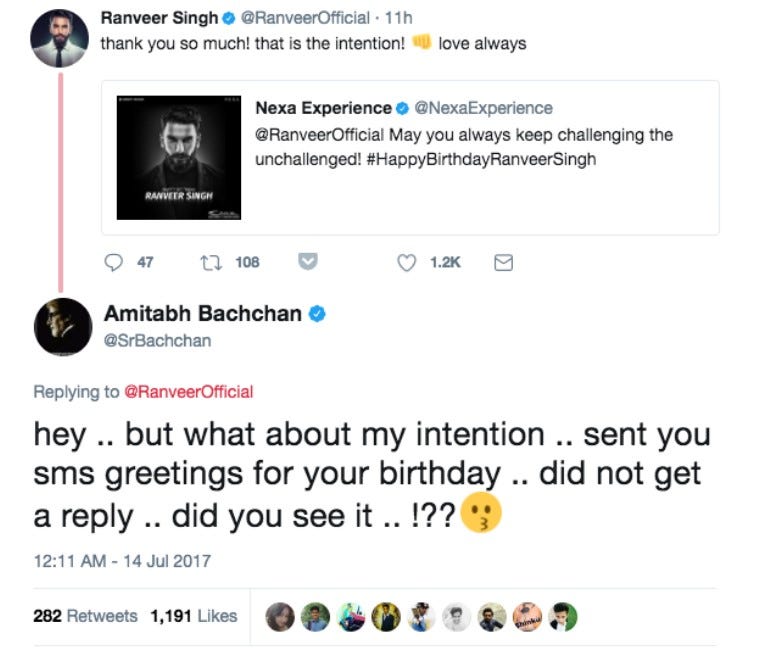
I’ve used the same Twitter account since I was fourteen. Having spent over half my life on the platform, there are tweets and replies that still linger in my mind. A part of the early novelty of the platform was the accessibility of celebrities, before their accounts were run by PR agencies and social media managers existed as a field of work. The idea of an Amitabh Bachchan twiddling his thumbs, waiting for his Bollywood colleagues to wish him on his birthday is an absurd image to picture, but the early days of Twitter made this absurd but sweet desperation possible.
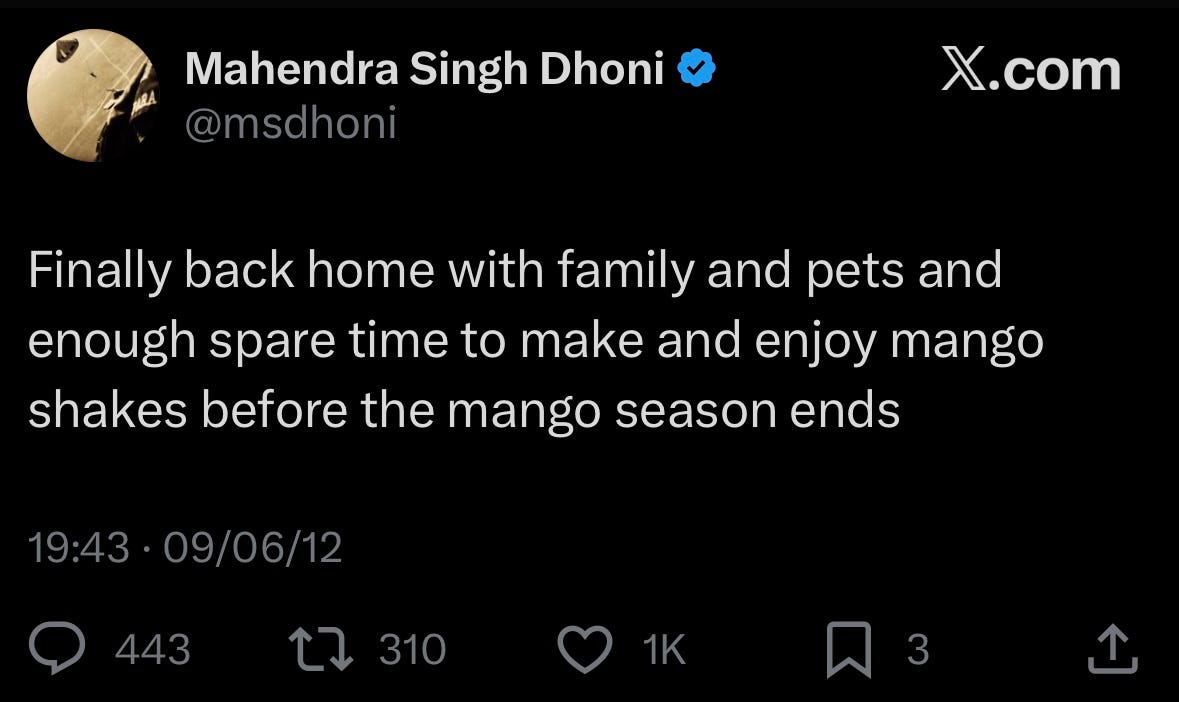
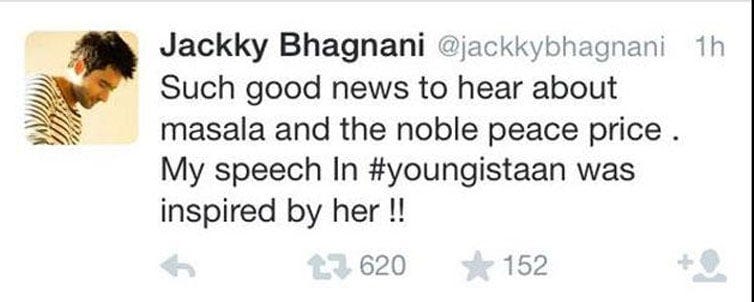
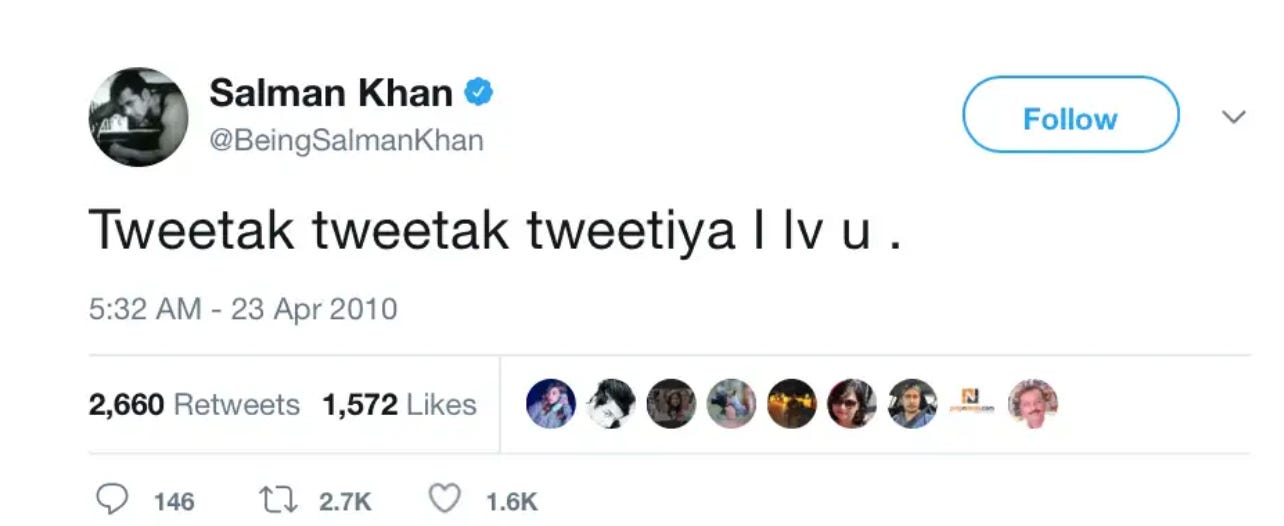
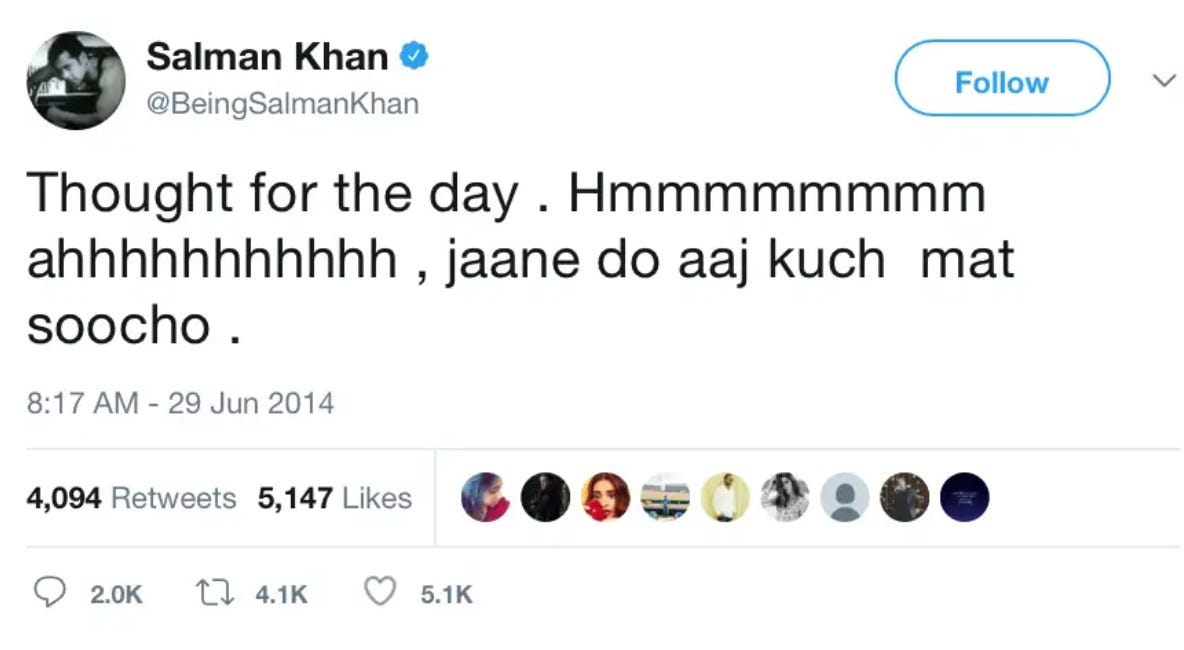
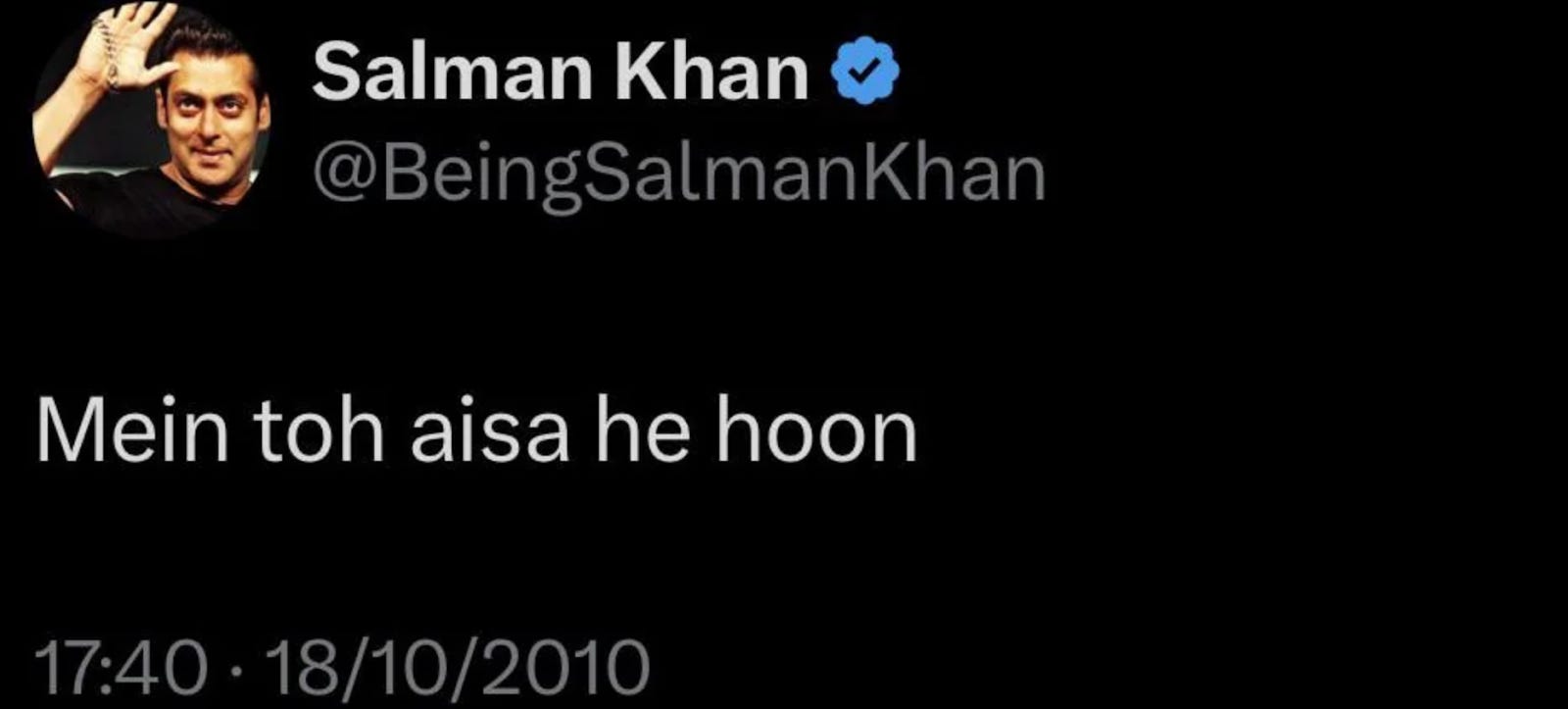
Replies, the Twitter equivalent of comments, added an element of unpredictability; it is what makes social media different from linear modes of media cinema and television; the ability to respond, break the flow, and to do so with striking immediacy. Replies were a fundamental part of what made Twitter good. It was Mahatma Gandhi who said that the real India lives in its villages; and it was a Twitter user who remarked that the real India lived in the replies. The chaos and charisma was good enough for multi-million corporations like Buzzfeed to sustain their businesses by simply collating tweets by Indian users — we had it good while it lasted.
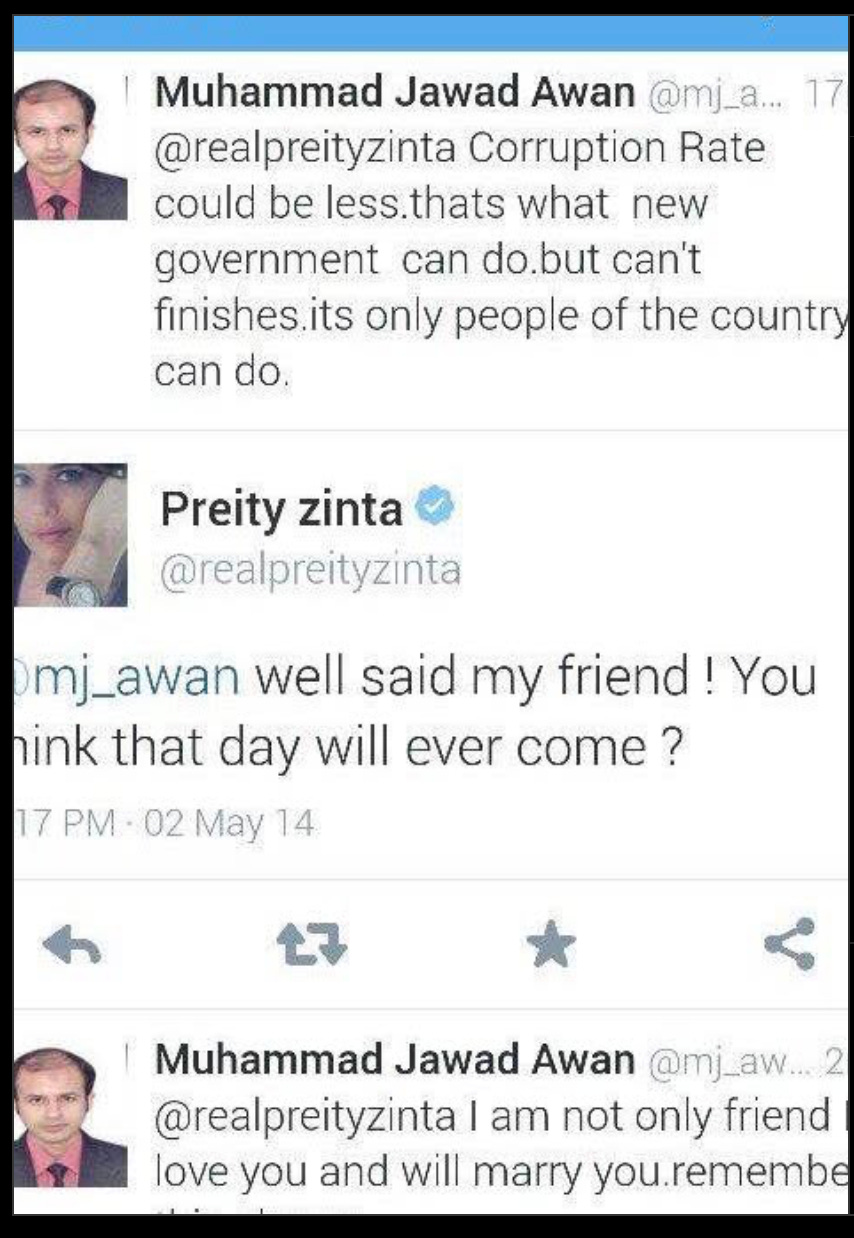
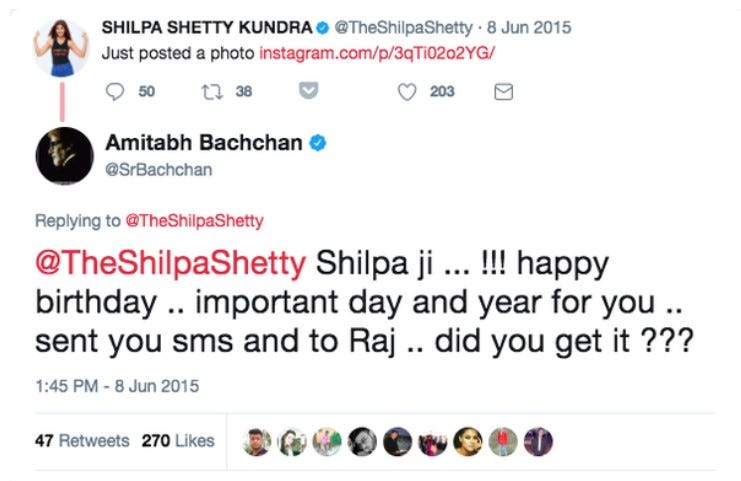
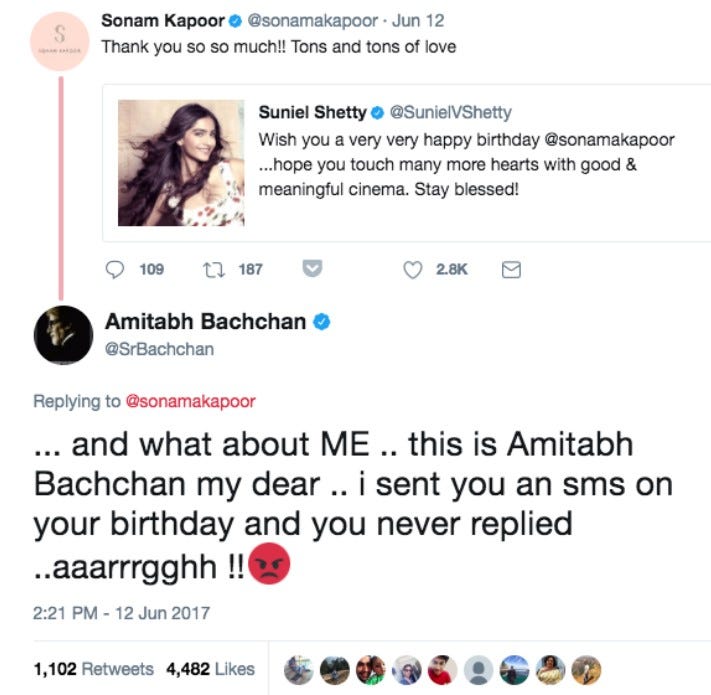
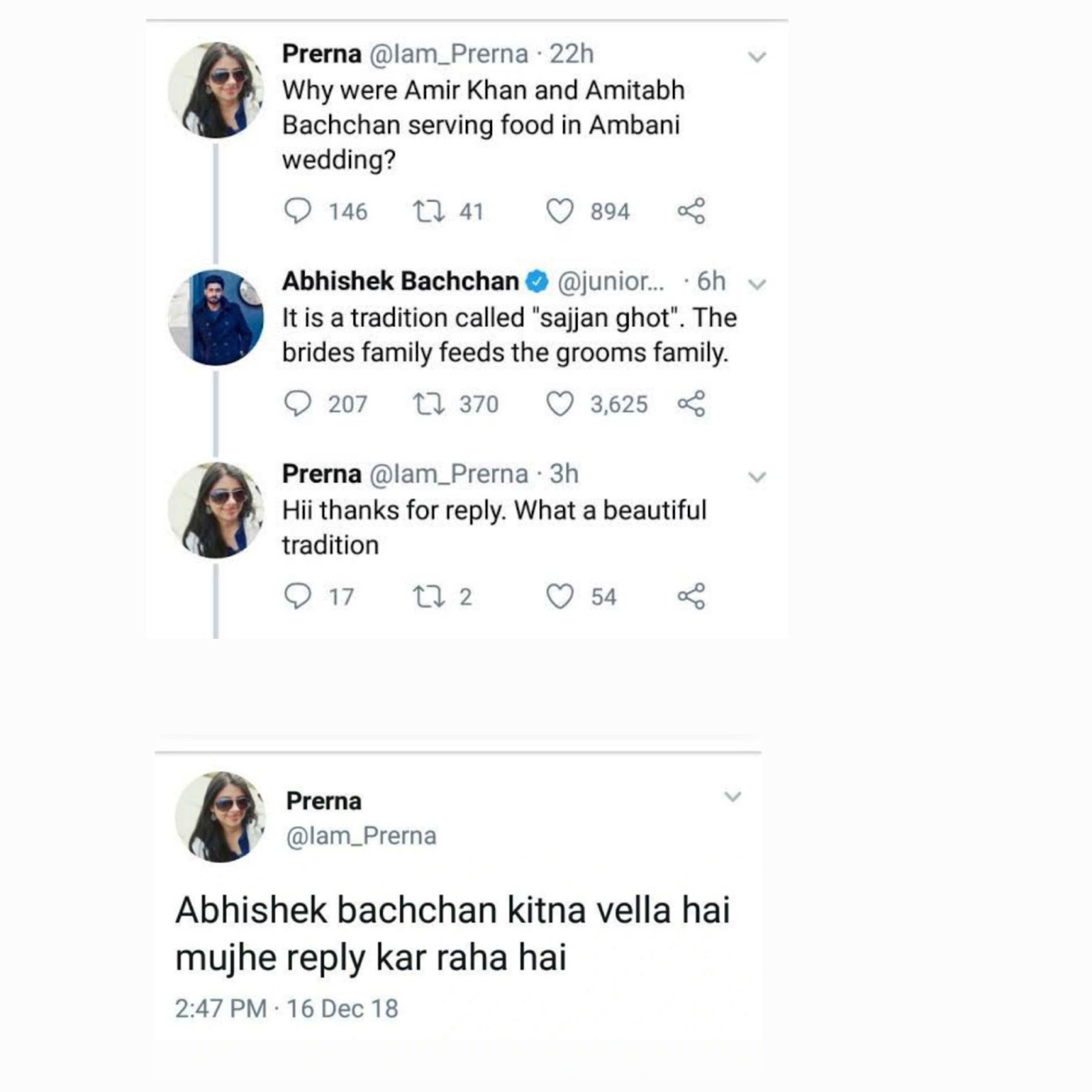
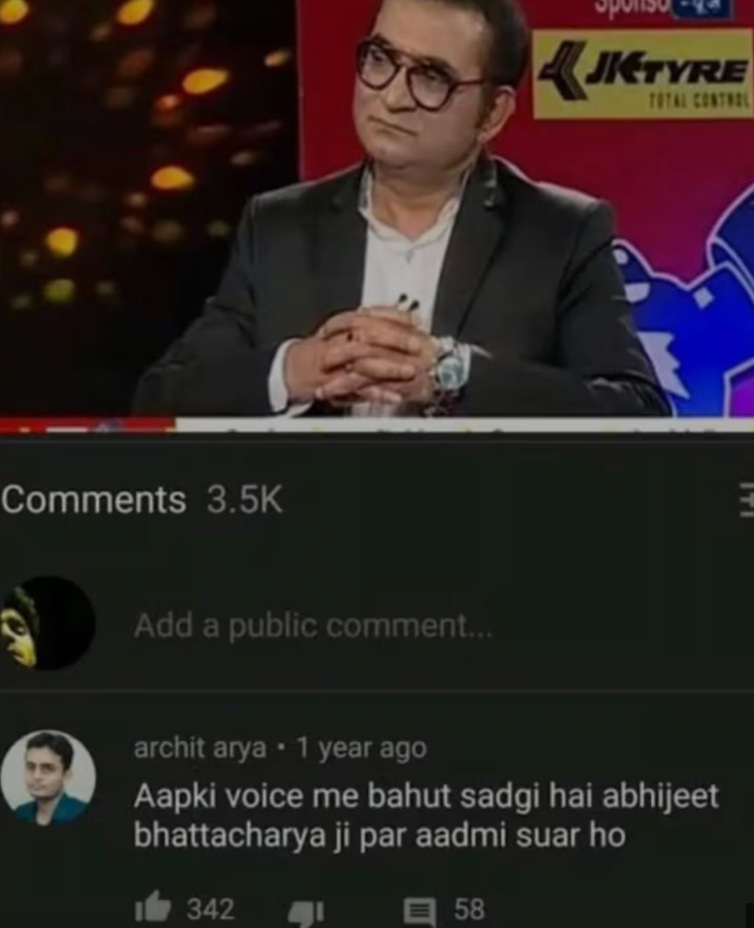
Bonus post — technically a YouTube comment — but one that has stayed with me nonetheless:
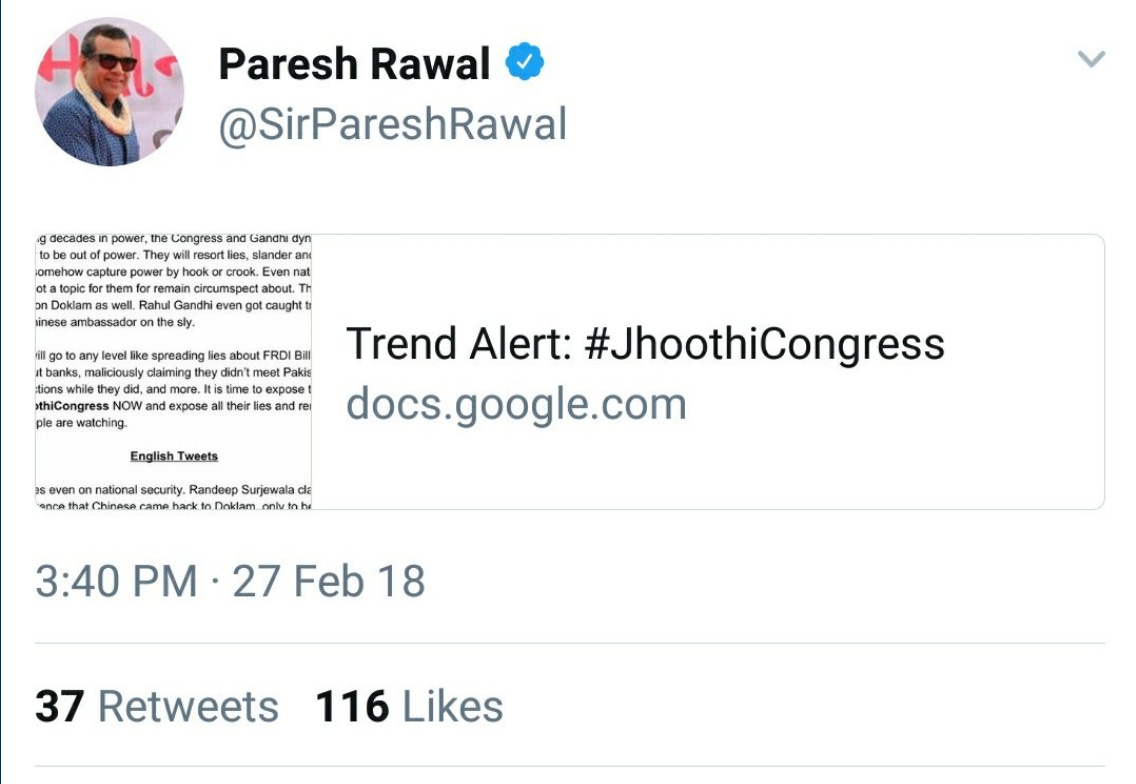
This is not to say that the Indian corner of the internet was an untainted place. It has been well-documented that the Bharatiya Janata Party (BJP)-led ruling alliance has often used Twitter toolkits to propagate its talking points. This gaffe by the veteran actor-turned Twitter troll Paresh Rawal brought the scale of such operations to light. However, as the rest of this essay will examine, the turbo-charge of machinic Artificially Intelligent language makes this seem deceptively naive.
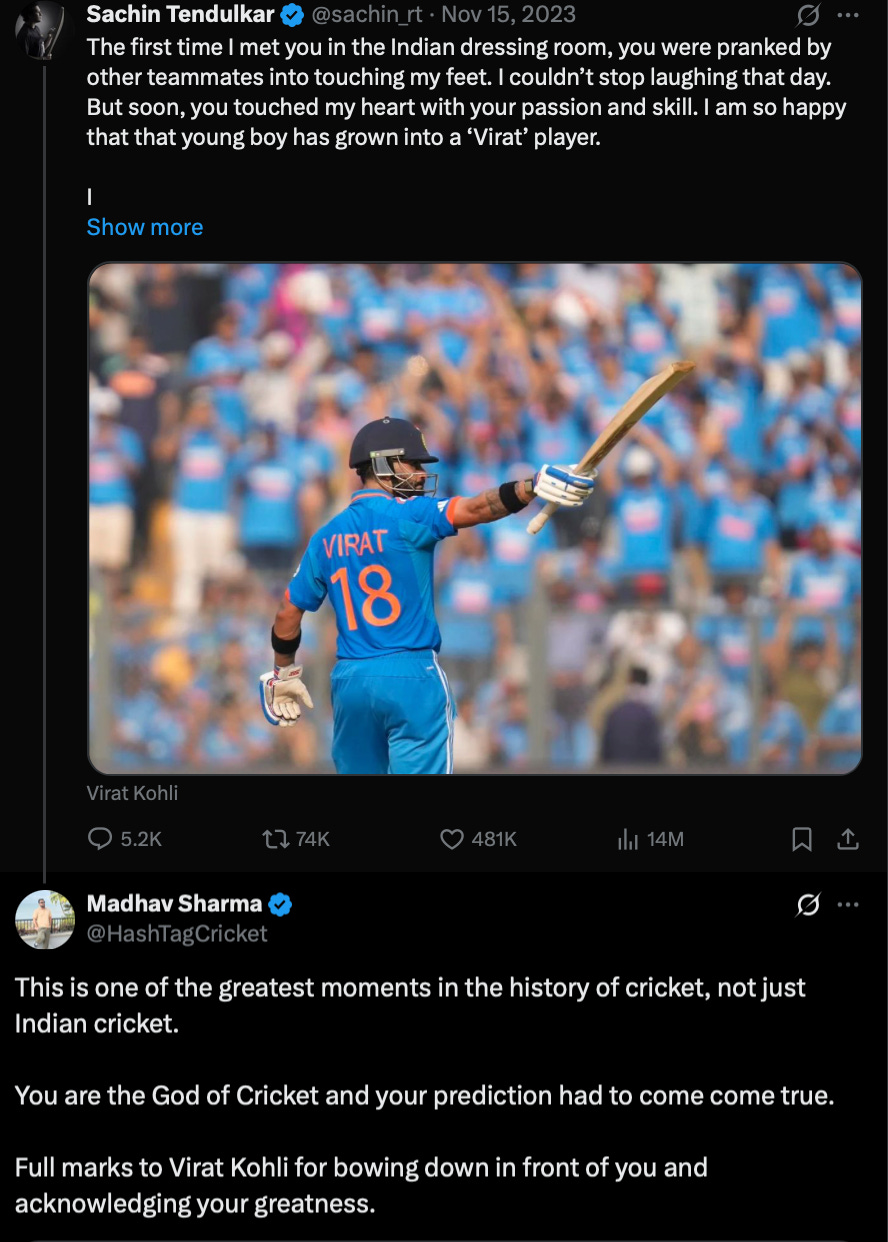
In 2022, Elon Musk took over Twitter, unimaginatively changing the name of the platform to X the year after. Elon Musk’s X coincided with the emergence of artificial intelligence learning models, and it was not long before Musk brought his own such model to X, the abjectly named Grok. Grok was one among Musk’s many disruptions that marked the shift from Twitter to X. The earliest of these was a new monetisation strategy. While Twitter awarded prominent accounts — celebrities, world leaders, journalists — with a blue tick to indicate they were indeed verified, Musk’s first big change at Twitter was to allow users to purchase the blue tick for a monthly subscription — Twitter Blue, now X Premium. In return, among other perks, X Premium users were rewarded with a monthly pay-out depending on how many users their posts engaged. While the Twitter algorithm earlier chose to display replies under a tweet by popularity: likes and retweets, X prioritised Premium users’ replies on top of the most, mirroring Musk’s own strategy of throwing money in the hopes of being popular than organic likeability. This combination of X Premium users being paid for their popularity and their replies being to the top of posts has given rise to engagement farming: garbled, incoherent, robotic comments by blue-tick accounts, no doubt generated using artificial intelligence (a fairly straightforward exercise), just so their post reaches more eyeballs for a bigger payout. In contrast, here is a selection of random celebrity posts on X and the top comments:

In 2016, a conspiracy theory originated on an internet forum called Agora Road’s Macintosh Cafe. An anonymous account, known only as IlluminatiPirate, proposed what he called The Dead Internet Theory. According to him, the internet had died in 2016 and early 2017, and several accounts were replaced with bots peppering artificially generated content. Of course, like most conspiracy theorists, this argument extended towards a fatalistic presence. IlluminatiPirate went on to write that between these bots and a select few influencers who were on the payrolls of various corporations and governments, who wanted to control the bodies and minds of people and direct it solely towards consumption. I see much of this, of course, with a pinch of salt, but it is difficult to not engage with the foundation of this theory, especially in this age of engagement farming and gibberish online.
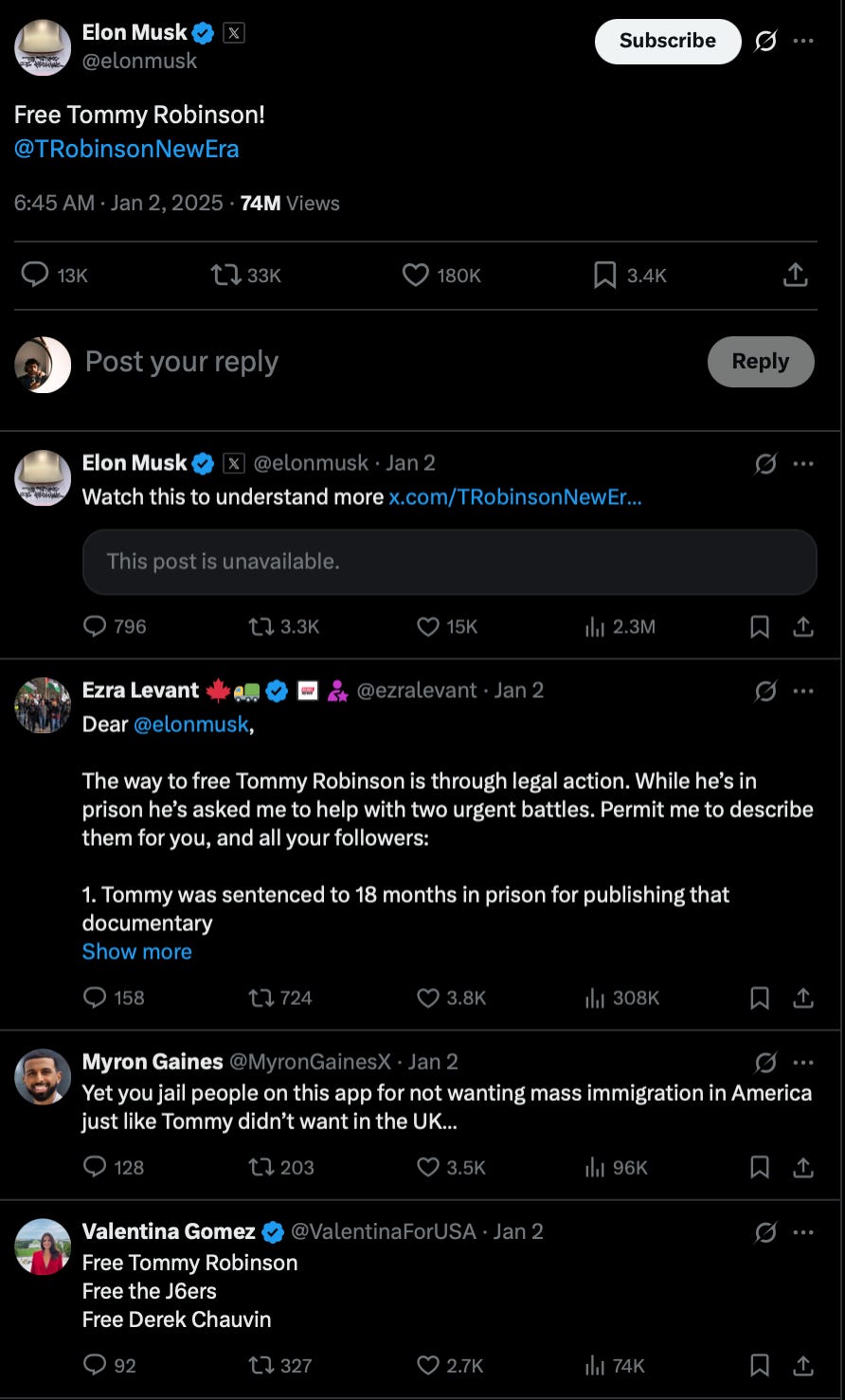
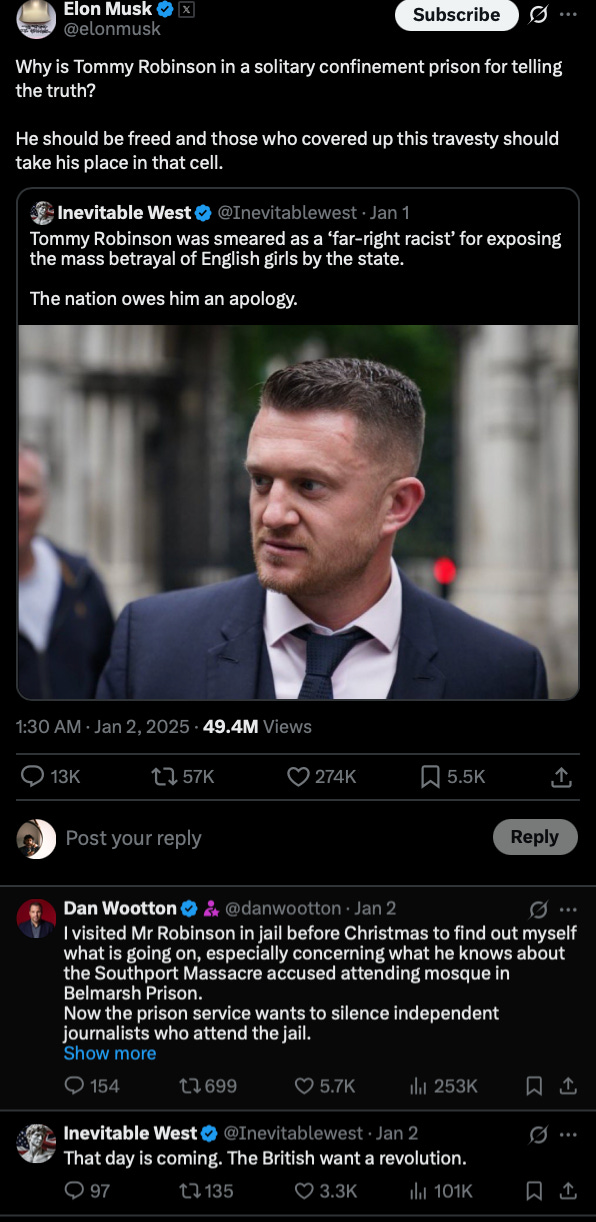
While the dead internet theory is fundamentally a conspiracy theory, a more useful intellectual framework is that of enshittification. In 2022, the Canadian writer Cory Doctorow coined the term to describe the decline in quality of online platforms over time — for Doctorow, this is an inherent feature of any online platform. While I have my reservations with Doctorow’s work on the subject being reductive, it nonetheless brings to light how degradation obscures the relationship between the economic and socio-political conjunctures that have larger, real-world consequences: Elon Musk’s platforming of the far-right, for instance. Tommy Robinson, whose real name is Stephen Yaxley-Lennon, is a far-right British public figure who has served multiple prison sentences, and was banned from Twitter in 2018. When Musk took over and rebranded the platform as X, his account was reinstated, and Musk actively took to platforming him, accompanied by the usual barrage of AI-generated replies and comments on the top of the post:
Musk’s platforming goes beyond these tweets, making an (online) appearance at Robinson’s Unite the Kingdom rally, the UK’s biggest anti-immigration protest in years. Nonetheless, Doctorow’s concept is worth applying to this scenario: Musk’s takeover, and the death of the comments section as a consequence of engagement farming can be ascribed to this enshittification, as evidenced in the above two screenshots.
These enshittified Twitter replies are what I pose as one of Auge’s non-places. The destruction of popular comments on Twitter from a space of earnest, organic humour to AI-flogged word vomit is not dissimilar to, say, the demolition of Raj Rewal’s House of Nations in Delhi, and the construction of this glass and tiled monstrosity in its place. These replies inadvertently encapsulate the hollow garble of artificial unintelligence, much like the listless sandstone-simulacra Pragati Maidan and its white-light, glossy-tiled hallways. One could be anywhere in this building or in the new era of comments sections: far away from the triangular brutalism of the Hall of Nations, or the naive, sometimes vile, but always humane comments section.
About the Author:
Pranavesh Subramanian is a writer who teaches critical thinking at Ashoka University. He is @pranavesh on Instagram and @pranxvesh on Twitter.
 | A guest post by
|
Hey, great read as awlays. What if non-places are already AI-generated?